Summer Ice Cream SVG Sublimation T-shirt
As a designer who spends more time staring at stitch density charts and fabric swatches than actually drinking ice cream, I approach every new design file with a mix of optimism and skepticism. We have all seen the endless stream of digital assets flooding Etsy and creative marketplaces, many of which look great on a screen but fall apart when the needle hits the thread. Today, I am putting Summer Ice Cream SVG Sublimation T-shirt under the microscope to see if it holds up in a real-world embroidery workflow.
The premise is simple: a summer-themed graphic intended for apparel decoration. But the devil is always in the details. When you are an embroiderer or a small business owner, you are not just buying a picture; you are buying a production plan. You need to know if this design will translate well into thread, how it will behave on different fabrics, and whether it will justify the price point for your end customers. Let us break down what makes this design tick and where it fits best in your studio.
First Impressions and Visual Personality
The moment you open the file package, which includes AI, EPS, SVG, and PNG formats, the first thing you notice is the vector nature of the artwork. The description notes that it is made with 100 vector shapes, which is a promising start for scalability. In the world of machine embroidery design, clean lines are everything. If the source vector is messy, the digitized result will be jagged, bulky, or prone to thread breaks.
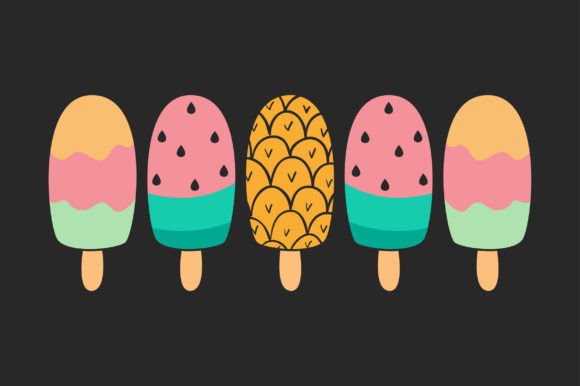
Visually, the design captures that breezy, nostalgic feeling of a hot July afternoon. It has a playful, light-hearted mood that screams "summer vibes." This is not a heavy, dramatic piece; it is meant to be cheerful and accessible. For a craft business looking to stock seasonal items, this kind of universal appeal is gold. It works for everyone from toddlers to teenagers, making it a versatile asset for a small shop product line.
The layout feels balanced, likely centered or structured to fit standard placement areas on garments. However, as any seasoned designer knows, a good vector does not automatically equal a good embroidery file. You still need to consider how those vector paths will convert into stitches. The promise of easy color changes suggests that the artist has thought about layering, which is crucial for creating depth without making the final product feel like a stiff plastic patch.
Real-World Application: Where Does It Shine?
Let me take you through a typical scenario. Imagine you are preparing for a local craft fair or updating your Etsy listings for the upcoming season. You want to offer personalized gifts that feel special but can be produced quickly. This is where Summer Ice Cream SVG Sublimation T-shirt comes into play.
I envision this design performing exceptionally well on lightweight cotton tees for kids or women’s boutique wear. The theme aligns perfectly with beach vacations, pool parties, and summer festivals. It also translates beautifully to accessories. A soft canvas tote bag design featuring this graphic would sell itself at a farmer’s market. The imagery is friendly enough for a baby shower gift, turning a simple onesie into a memorable keepsake.
Furthermore, its versatility extends beyond apparel. Think about home goods. Embroidering this onto a linen tea towel or a neutral-colored pillow cover adds a touch of whimsy to kitchen decor. For holiday embroidery projects, especially around Fourth of July or Labor Day, this design serves as a timely decoration that resonates with buyers looking for festive yet understated accents. It is the kind of personalized gift that feels thoughtful because it matches the recipient’s lifestyle.
Technical Considerations and Potential Pitfalls
While the concept is strong, we must address the technical realities of embroidery. Not every surface is created equal, and this design has specific constraints based on its visual style.
- Hoop Size Limitations: Because the design relies on clear shapes and potentially some intricate details, attempting to shrink it too small is risky. If you try to fit this into a tiny hoop size, you risk losing definition. The individual elements may merge together, resulting in a muddy blob rather than a crisp image. Always check the minimum recommended dimensions before cutting your stabilizer.
- Fabric Texture Matters: This design looks best on smooth, stable fabrics. If you attempt to stitch this on a highly textured material like heavy bouclé wool or a loose-weave burlap, the thread tension will struggle. The background texture will interfere with the stitch formation, making the embroidery project look uneven. Stick to jersey knits, pima cotton, or tightly woven linens for the cleanest finish.
- Stretchy Fabrics: While t-shirts are common, stretchy fabrics require careful handling. If the design has large areas of fill stitch, it might pucker if the fabric stretches out during stitching and then contracts afterward. Using a proper cut-away stabilizer is non-negotiable here to maintain structural integrity.
- Dense Stitch Areas: Be cautious of designs that rely heavily on dense shading. If the original vector has complex gradients, the digitization process might create overly thick patches of thread. This can make the final product uncomfortable against the skin, especially on baby clothes or delicate lingerie items. Inspect the stitch density closely to ensure it remains breathable.
Color and Contrast Strategy
The description highlights that colors are easy to change, which is a huge advantage. In embroidery, contrast is king. A pastel ice cream scoop on a white shirt might get lost, whereas the same design on a navy blue tee will pop. I recommend testing your thread colors against various fabric backgrounds. Don’t just trust your monitor; hold the physical thread spools up to the fabric. Look at how the satin stitch edges catch the light. If the design features fine lines, ensure the thread weight is sufficient to stand out against the weave of the cloth.
Professional Presentation and Value
For the Etsy seller or digital product seller, the quality of the source file directly impacts your brand reputation. A clean, well-structured vector means less time spent troubleshooting errors in your digitizing software. It also means fewer ruined shirts due to incorrect scaling or broken paths. When your finished product looks professional, customer trust increases. Buyers can tell the difference between a rushed, poorly executed stitch job and one that was planned with care.
This design supports a high-end handmade presentation. Even though it is a fun, casual theme, executing it with precision elevates it from a "cheap souvenir" to a "boutique item." Use it to build a cohesive collection. Pair it with complementary designs to create sets—perhaps matching family outfits for a vacation photo shoot. The ability to resize easily allows you to adapt the design for different products, from a large chest print on a sweatshirt to a small logo on a cap.
Final Verdict and Practical Next Steps
Summer Ice Cream SVG Sublimation T-shirt is a solid addition to the library of any crafter or decorator looking to capitalize on seasonal trends. Its vector foundation offers flexibility, and its cheerful aesthetic has broad market appeal. However, success depends entirely on your execution.
Before you commit to a full production run, follow these practical steps:
- Test on Scrap: Never go straight to your final garment. Stitch the design on a scrap piece of the exact fabric you plan to use. This reveals issues with puckering, tension, or thread breaks early.
- Check Licensing: Since you are evaluating this for potential commercial use, verify the license terms. Ensure you have the right to sell finished items created with this design. Do not assume standard files include commercial rights unless explicitly stated.
- Review Detail Levels: Zoom in on the smallest elements. Are they too thin to stitch reliably? Will they fray over time? Adjust the digitization settings if necessary to reinforce fragile parts.
- Create Mockups: Use the provided PNG or SVG to create printable mockups. Show potential customers how the design looks on different colored garments. This helps validate the product before you invest in materials.
In conclusion, this design is a versatile tool for creative entrepreneurs. It bridges the gap between digital convenience and tangible craftsmanship. By paying attention to fabric choice, stabilizer selection, and thread contrast, you can transform this simple vector into a profitable, high-quality finished product. Just remember: the design is only half the battle; your skill as an embroiderer is the other half.