I Teach Tiny Humans Teaching Svg Review
As a designer who has spent years refining embroidery files for boutique shops and personal projects, I approach every new embroidery design with a mix of excitement and skepticism. The market is flooded with generic text overlays that look great on a screen but fall apart under the needle. Today, I am evaluating the I Teach Tiny Humans Teaching Svg to see if it holds up in a real-world scenario. This isn't just about the file format; it is about how the typography, layout, and emotional weight of the phrase translate into a tangible handmade product.
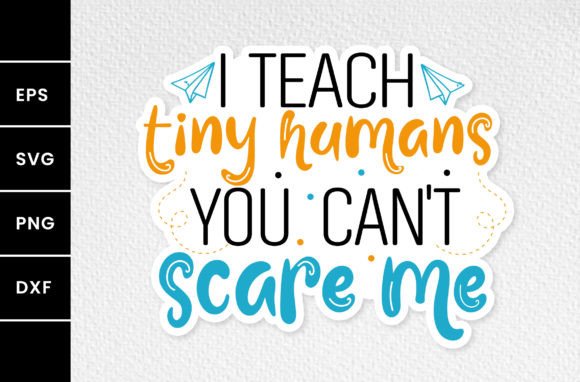
The first impression of this design is one of warmth and relatability. In the world of embroidery project assets, finding a balance between cute and professional is difficult. This design succeeds because it leans into the "Tiny Humans" concept without becoming overly cutesy or childish. The typography feels sturdy enough for a teacher's tote bag yet soft enough for a baby shower gift. It creates an immediate mood of appreciation and pride, which is exactly what you want when creating a personalized gift for an educator.
Real-World Application: The Tote Bag Scenario
To truly understand the value of this design, let us imagine a practical use case. You are preparing for a local craft fair or fulfilling a rush order for a school district gift shop. Your goal is to create custom embroidered tote bags for a group of kindergarten teachers. You select a high-quality canvas bag and choose a deep navy blue fabric for contrast.
This is where the I Teach Tiny Humans Teaching Svg shines. When digitized correctly, the lettering needs to be legible even from a distance. The spacing in this design allows the words to breathe, preventing them from merging together during the stitching process. On a large tote bag, the phrase becomes a statement piece rather than just a label. Customers walking through a booth will stop because the message resonates emotionally. It transforms a simple utility item into a badge of honor for the wearer.
However, not every surface is created equal. If you were to attempt this same design on a small cap or a tight-fitting t-shirt, the dynamics change. The curvature of a hat can distort straight lines, and the limited hoop size might force you to reduce the scale of the text. In those cases, the design requires careful scrutiny to ensure the letters remain readable. For a sweatshirt embroidery project, the larger surface area provides more freedom, allowing the design to be centered prominently on the chest or back without feeling cramped.
Stitch Density and Fabric Texture
One of the most critical aspects of any machine embroidery design is stitch density. Text-based designs often suffer from thread breaks or puckering if the fill stitches are too heavy. Based on the visual personality of this typography, it appears to rely heavily on clean lines, likely utilizing a combination of satin stitch for outlines and fill stitch for bold letters.
When working with textured fabrics like fleece or thick wool, you must account for the fabric compressing under the needle. A design that looks crisp on a flat cotton shirt might lose definition on a fuzzy sweater. Conversely, on smooth, thin fabrics like rayon blends, there is a risk of the threads pulling through if the stabilizer is not adequate. Before committing to a full production run, always test the I Teach Tiny Humans Teaching Svg on a scrap piece of your intended material. Check the thread color contrast carefully; a light thread on a dark background requires higher stitch density to prevent the fabric from showing through.
Navigating Technical Challenges
While this design is versatile, there are specific scenarios where caution is required. Small hoop sizes are a common pitfall for text-heavy designs. If you attempt to embroider this on a small patch or a baby onesie, the fine details of the lettering might get lost in the stitching process. The curves of the letters could become jagged if the digitization does not account for the reduced space.
Stretchy fabrics present another challenge. Embroidery adds rigidity to the fabric, and if the base material is too elastic, such as a standard jersey knit t-shirt, the finished product may pucker around the edges of the design. To mitigate this, using a cut-away stabilizer is essential to maintain the shape of the garment over time. Additionally, if you plan to wash the item frequently, as you would with a kitchen towel or an apron, the design must be robust enough to withstand agitation without fraying.
Dense stitch areas can also cause issues if the design includes decorative accents or layered elements. While the core message is clear, adding extra flourishes around the text can increase the risk of thread breaks. For a commercial embroidery business, reliability is key. You want your clients to receive a finished product that looks flawless after the first wash, not one that requires constant re-stitching.
Visual Appeal and Brand Consistency
Beyond the technical execution, the design plays a significant role in brand consistency. For an Etsy seller or a small shop owner, the visual identity of your products matters. The I Teach Tiny Humans Teaching Svg offers a clean, modern aesthetic that fits well with contemporary branding trends. It avoids the cluttered look of older, overly detailed fonts, making it suitable for a wide range of merchandise.
When used on items like pillow covers or nursery decor, the design adds a layer of professionalism that elevates the perceived value of the item. A customer is more likely to pay a premium price for a product that looks thoughtfully designed rather than mass-produced. The phrase itself is highly recognizable in educational circles, which aids in recognition and buyer engagement. It speaks directly to the target audience, creating an instant connection.
For digital product sellers, this design serves as excellent design assets. Whether you are creating printable mockups to showcase your services or offering the file as part of a bundle, the clarity of the typography ensures it renders well in various formats. However, remember to check your licensing terms before selling finished items or digital products. Understanding the scope of usage rights is crucial for maintaining compliance in your craft business.
Practical Designer Notes for Success
If you decide to incorporate this embroidery file into your workflow, here are a few final recommendations based on my experience:
- Test on Scrap Fabric: Never assume a design will work perfectly on the final product. Always run a test on a similar fabric type to check for puckering or thread tension issues.
- Review Stitch Density: Inspect the design settings to ensure the fill stitches are not too dense, which can cause the fabric to bunch up.
- Confirm Hoop Size: Ensure your machine's hoop can accommodate the design dimensions without cutting off parts of the text.
- Check Thread Colors: Compare different thread colors against your fabric choice to maximize contrast and readability.
- Use Proper Stabilizer: Select the right stabilizer (cut-away, tear-away, or water-soluble) based on the fabric weight and stretch.
- Verify Licensing: Confirm whether the license allows for commercial use on finished goods, especially if you plan to sell via platforms like Etsy.
In conclusion, the I Teach Tiny Humans Teaching Svg is a strong contender for anyone looking to add meaningful, text-based embroidery to their portfolio. It balances charm with clarity, making it suitable for everything from holiday gifts to boutique branding. By paying attention to the technical nuances of stitching and fabric selection, you can turn this digital asset into a stunning finished product that customers will cherish.