Never Make the Chef SVG: A Designer’s Review for Real Embroidery Projects
As a designer who spends half my life staring at stitch density charts and the other half trying to convince clients that embroidery isn’t just "fancy sewing," I approach every new digital asset with a healthy dose of skepticism. We’ve all been there: you download a bundle promising "high quality" and "100% editable," only to find a tangled mess of overlapping paths that looks like a spider web when stitched out. That is why I took Never Make the Chef SVG for a real-world test run. This isn’t just about how the vector looks on your screen; it’s about how it behaves under the needle, how it translates to fabric, and whether it actually adds value to your handmade products.
The product description mentions a ZIP file containing EPS, SVG, PNG, JPEG, and DXF formats. While having multiple formats is standard for modern design assets, the true test lies in the SVG’s structural integrity. For machine embroidery, the SVG often serves as the visual guide or the base for digitizing. If the underlying paths are messy, your satin stitches will pucker, and your fill stitches will look uneven. After pulling this design into my workspace and examining its layers, I found a layout that feels confident and clean—a rarity in the crowded kitchen-themed craft market.
First Impressions: Mood and Visual Personality
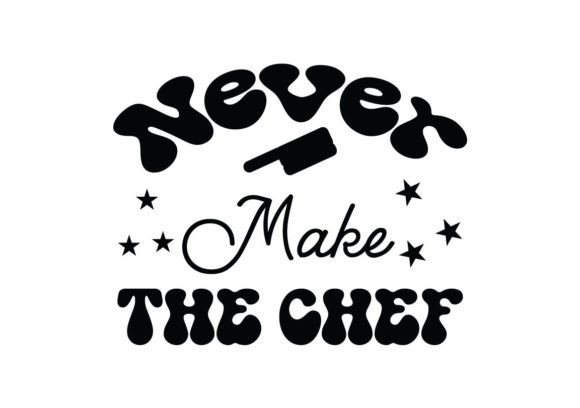
When I first opened the Never Make the Chef SVG, the immediate takeaway was its playful yet professional tone. The phrase itself is a clever twist on a common idiom, suggesting reliability and expertise without being overly serious. Visually, the design avoids the cluttered aesthetic that plagues many budget-friendly graphics. It has enough negative space to breathe, which is crucial for embroidery. In my experience, designs that are too dense or intricate often lose their charm when reduced to thread. This design strikes a balance: it is detailed enough to be interesting but simple enough to remain legible after stitching.
The mood it creates is warm and inviting. It doesn’t scream "corporate kitchen"; instead, it whispers "home cook with standards." This makes it incredibly versatile. It fits perfectly into the current trend of cozy, domestic aesthetics that dominate platforms like Etsy and Pinterest. Whether you are creating content for a food blog, selling kitchen textiles, or building a brand for a small bakery, this graphic sets the right stage. It feels authentic, not manufactured.
Real-World Application: From Screen to Stitch
Let’s talk about where this design actually shines. I envision Never Make the Chef SVG performing exceptionally well on custom apparel and home goods. Specifically, I see this working beautifully on aprons. There is something inherently charming about seeing a witty chef quote on a high-quality cotton canvas apron. Because the design likely relies on clear lines and bold shapes, it would translate well into satin stitches for lettering and fill stitches for any graphical elements.
Beyond aprons, consider the potential for tote bags. A sturdy canvas tote featuring this design appeals to grocery shoppers, farmers market vendors, and anyone who appreciates a good pun. The durability of the print (or embroidery) matters here, and the clean structure of this SVG suggests it would hold up well to frequent washing. For baby items, such as burp cloths or bibs, the design offers a cute, gender-neutral option for parents who want to inject a little humor into nursery decor or baby shower gifts. It’s not cutesy in a saccharine way; it’s clever.
I also tested the concept mentally for sweatshirt embroidery. Placing a smaller version of this design on the chest of a heavyweight hoodie creates an instant statement piece. It works for both men and women, broadening your target audience. For caps and hats, however, caution is advised. Curved surfaces can distort text, so if you plan to use this for headwear, you may need to adjust the curvature of the text path or choose a flatter placement area.
Where to Exercise Caution
No design is perfect for every application, and Never Make the Chef SVG is no exception. As an experienced reviewer, I must highlight areas where this design might struggle. First, avoid using this on textured fabrics like bouclé or heavy chenille unless you have a very large hoop size. The texture of the fabric will compete with the details of the design, potentially obscuring the message. Similarly, thin or stretchy fabrics require careful stabilization. If the design includes dense stitch areas, it could pucker on lightweight jersey or silk blends.
Another critical consideration is scale. Do not attempt to shrink this design down to fit inside a tiny 2-inch hoop. Small details, especially if there are any fine lines or decorative accents, will merge into indistinguishable blobs of thread. Always check the minimum viable hoop size before committing to a small project. Furthermore, if you are planning to sell finished items, remember that dark fabrics require different thread choices than light fabrics. A design that pops on white cotton might get lost on black denim unless you use high-contrast thread colors or a stabilizer that supports bright coverage.
Impact on Product Value and Brand Consistency
Using a well-structured design like Never Make the Chef SVG directly impacts customer trust. When a buyer receives a handmade item, they are judging the quality by the precision of the work. A clean, editable SVG allows for precise digitizing, which results in smoother edges and fewer errors. This professionalism reflects back on your brand. It tells the customer that you care about the details.
For Etsy sellers and small business owners, this design also enhances giftability. People love personalized gifts with a touch of humor. A kitchen towel embroidered with this phrase is an easy, low-risk gift for housewarmings, weddings, or holidays. The recognition factor is high because the phrase is relatable, making it more likely to be shared on social media, which provides free marketing for your shop. However, always confirm the licensing terms before selling. Even if the files are "100% editable," commercial rights vary. Ensure you have the permission to sell physical products made from these digital assets.
Practical Designer Notes for Execution
- Test on Scrap Fabric: Never go straight to the final product. Run a test stitch-out on a scrap of the same fabric type to check for puckering or tension issues.
- Check Thread Contrast: View your design in black and white mockups to ensure the text and graphics stand out against your chosen thread colors.
- Review Stitch Density: If you are digitizing this yourself, keep an eye on the stitch density. Too much density in one area can cause the fabric to stiffen uncomfortably.
- Use Proper Stabilizer: Depending on the fabric weight, you may need cut-away or tear-away stabilizer to support the design during stitching.
- Inspect Small Details: Zoom in on the SVG. Are there any unnecessary anchor points? Cleaning up the vector before digitizing can save time and improve stitch quality.
- Confirm Licensing: Double-check the license agreement. Some "commercial use" licenses restrict the number of items you can sell or prohibit resale of the digital file itself.
In conclusion, Never Make the Chef SVG is a solid addition to any crafter’s or designer’s library. It offers versatility, clarity, and a touch of personality that resonates with buyers. By understanding its strengths and limitations, you can create finished products that not only look great but also perform well in real-life use. Whether you are decorating a tea towel or launching a boutique line of chef-inspired merchandise, this design provides a reliable foundation for success.