I Love Someone with Autism - Autism SVG
As a designer who spends half my life in the embroidery machine studio and the other half worrying about stitch density, I don’t just look at a design file; I look at how it will behave on fabric. When I first opened I Love Someone with Autism - Autism SVG, I wasn’t just seeing a graphic; I was visualizing the finished product hanging in a boutique or stitched onto a personalized gift for a family member. The intersection of Crafts and Graphics is where this file lives, but its true value is determined by how well it translates from a digital vector into a tactile, emotional statement.
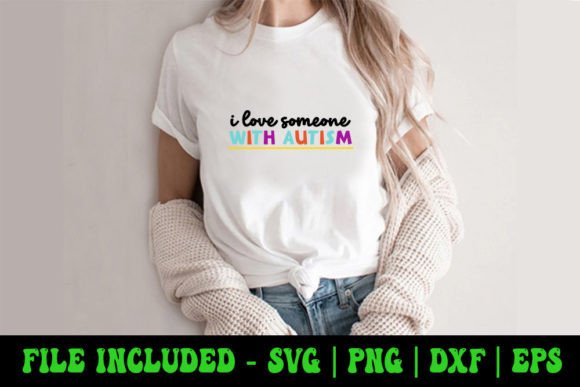
The immediate impression of this design is one of warmth and advocacy. The phrase "I Love Someone with Autism" carries significant weight, so the execution needs to be clean, legible, and respectful of the sentiment. From a visual standpoint, the layout feels balanced. It isn’t cluttered with excessive decorative elements that might distract from the message. Instead, it relies on strong typography and recognizable symbolism—likely the puzzle piece or infinity symbol associated with autism awareness—to convey its meaning instantly. This clarity is crucial for small business owners and Etsy sellers who need their products to communicate quickly and effectively to potential buyers.
Real-World Application: The Custom Gift Scenario
Let’s imagine a specific use case. You are preparing a custom embroidered tote bag for a mother who recently received an autism diagnosis for her child. She wants something she can carry to support groups, therapy appointments, or everyday errands. She doesn’t want something overly childish, but she does want something that signals her pride and love. This is where I Love Someone with Autism - Autism SVG shines.
When digitized correctly, this design works beautifully on canvas totes. The text remains readable even when the fabric stretches slightly under the hoop. However, if you were to attempt this on a sweatshirt, you would need to be mindful of the garment’s stretch. Heavy cotton blends can distort smaller details, so testing the placement is non-negotiable. I often suggest using this design for baby onesies or burp cloths as well, provided the scale is adjusted appropriately. A tiny, delicate version on a soft muslin cloth creates a touching keepsake that parents cherish. The design’s versatility allows it to fit into various categories of handmade products, from holiday embroidery gifts to everyday wearables.
Technical Performance and Stitch Quality
For any embroidery project, the devil is in the details. While the source files include SVG, PNG, EPS, and DXF formats, making it ready for cutting machines as well as embroidery software, the final look depends entirely on your digitizing choices. If you are using this as a machine embroidery design, you must consider the stitch types carefully.
A satin stitch is typically used for lettering to give it a smooth, polished finish. Ensure that the underlay stitches are sufficient to prevent the fabric from puckering, especially if you are working with thin fabrics or knit materials. For any graphical elements, such as the autism awareness symbols, a fill stitch might be appropriate, but be cautious of stitch density. Too much density in a small area can make the fabric stiff and uncomfortable, particularly on clothing items like t-shirts or caps. Conversely, too little density can leave the fabric visible through the thread, which looks unfinished.
If you are incorporating applique techniques, this design offers a great opportunity to mix textures. Imagine a solid color background with the text in contrasting thread colors, or perhaps a fabric appliqué shape with embroidered text overlaid. This adds depth and professionalism to your finished product. Running stitch can be used for finer details or outlines, adding a handcrafted feel that appeals to customers looking for authentic, handmade quality.
Where to Use It Carefully
Not every surface is suitable for every design. There are specific scenarios where I Love Someone with Autism - Autism SVG requires extra caution:
- Small Hoop Sizes: If you are trying to squeeze this design into a very small hoop, you risk losing legibility. The text may become too cramped, and fine details may merge together. Always check the dimensions before scaling down.
- Textured Fabrics: Bouclé, heavy wool, or highly textured weaves can hide the intricacies of the design. The contrast between the thread and the fabric texture might get lost, resulting in a muddy appearance.
- Stretchy Fabrics: Spandex blends or thin knits require a strong stabilizer. Without proper backing, the tension of the stitching can pucker the fabric, ruining the drape of the garment.
- Dense Stitch Areas: Avoid placing dense sections of the design over seams, pockets, or curved surfaces like the front panel of a cap. These areas already have bulk or curvature, and additional embroidery can cause discomfort or distortion.
- Frequent Washing: For items like aprons or kitchen towels that undergo frequent laundering, ensure that the thread colors are colorfast and that the stitch coverage is secure to prevent fraying over time.
Visual Appeal and Brand Value
From a marketing perspective, designs like this drive engagement because they connect emotionally. Customers buying personalized gifts are often looking for something that validates their experiences or shows support. A well-executed embroidered patch or tote bag featuring this design becomes more than just merchandise; it becomes a symbol of community and love.
For craft business owners and digital product sellers, the presentation matters. When creating printable mockups for your Etsy listings, ensure that the lighting highlights the texture of the embroidery. Show the design on different backgrounds—light and dark fabric—to demonstrate its versatility. This transparency builds trust with buyers who want to know exactly what they are getting. A professional-looking finished product reflects well on your brand consistency and encourages repeat business.
Practical Designer Notes
Before you commit to a full production run or start selling these items, follow these essential steps:
- Test on Scrap Fabric: Always run a test stitch on the same type of fabric you plan to use. This helps you adjust thread tension and stabilize settings.
- Check Thread Color Contrast: View your design in black and white mockups to ensure there is enough contrast between the thread and the fabric. Low contrast can make the design hard to read.
- Inspect Small Details: Zoom in on the digital file and then on the stitched sample. Are the corners sharp? Is the text clear? If details are lost, you may need to simplify the design or increase the size.
- Confirm Licensing: Since this is a digital embroidery file, verify the licensing terms before selling finished items. Some licenses allow commercial use, while others are restricted to personal projects only. Clear communication protects your small shop product from legal issues.
- Use Proper Stabilizer: Choose a stabilizer (cut-away, tear-away, or wash-away) that matches the fabric weight and stretch. This is critical for maintaining the integrity of the embroidery project.
In conclusion, I Love Someone with Autism - Autism SVG is a thoughtful and versatile addition to any designer’s library. It bridges the gap between graphic design and textile art, offering endless possibilities for customization. Whether you are creating a heartfelt baby embroidery gift, a trendy sweatshirt embroidery piece, or a durable tote bag design for a craft fair, this file provides a strong foundation. By paying attention to stitch density, fabric choice, and finishing details, you can create high-quality, meaningful products that resonate with customers and stand out in the crowded marketplace of handmade goods.