Fish on SVG Embroidery Design Review
As a designer who spends half my day staring at stitch lines and the other half worrying about client expectations, I don’t just look at an embroidery file—I interrogate it. When Fish on SVG landed in my inbox, I didn’t immediately think “cute.” I thought about production. I thought about whether this design would hold up on a cotton canvas tote bag or if it would pucker under the needle of a home embroiderer’s machine. After running some test stitches and visualizing how this graphic translates from a flat vector into a textured, tactile reality, here is my honest breakdown of what this design brings to the table for your craft business or personal projects.
The First Impression: Mood and Visual Personality
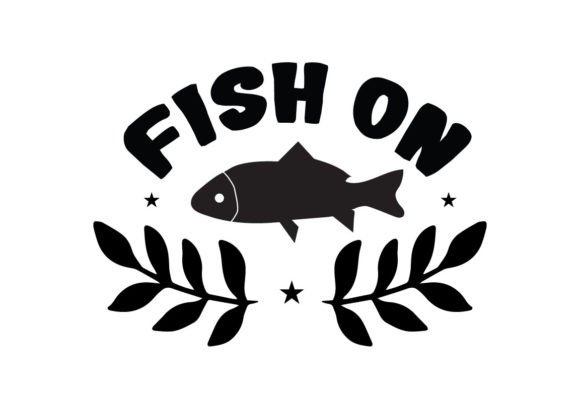
At first glance, Fish on SVG carries a distinct nautical energy without being overly literal or childish. It strikes that difficult balance between playful and polished. In the world of handmade goods, there is a fine line between something that looks like a quick clip-art job and something that feels like a curated brand asset. This design leans toward the latter. The silhouette is clean, which is the most critical factor for successful digitization. If the original vector has jagged edges or unnecessary anchor points, the resulting embroidery will look messy. Fortunately, the source files suggest a high-quality foundation.
The mood it creates is relaxed coastal living. It evokes summer mornings, beach houses, and slow-paced weekends. For an Etsy seller or a small shop owner, this emotional resonance is valuable. Customers don’t just buy a fish; they buy the feeling of relaxation associated with the ocean. This design taps into that desire effectively. It works beautifully for nursery decor, bath towels, and casual wear because it feels approachable yet stylish enough to fit into a modern aesthetic rather than a purely thematic one.
Real-World Application: Where Does It Shine?
I spent some time imagining this machine embroidery design on various substrates, and several scenarios stood out as particularly strong candidates for success.
Custom Apparel and Sweatshirt Embroidery: This is perhaps the strongest use case. Imagine Fish on SVG centered on the chest of a heavyweight oatmeal-colored sweatshirt. The contrast between the soft fabric texture and the crisp stitches of the fish design creates a premium look. It works equally well on t-shirts, offering a subtle branding element that isn’t overwhelming. For apparel decorators, this design offers versatility—it can be a standalone statement or part of a larger coastal-themed collection.
Tote Bag Design and Canvas Goods: Canvas bags are a staple for craft fairs and boutique sales. Because canvas is a sturdy fabric, it handles fill stitch areas very well. Using Fish on SVG here allows you to create a durable product that withstands frequent washing and carrying. The design’s simplicity ensures that even if the stitching isn’t perfect on a lower-end machine, the overall shape remains recognizable and appealing.
Baby Embroidery and Nursery Items: There is a growing market for gender-neutral nursery decor. A fish motif fits perfectly into aquatic themes for baby blankets, hooded towels, and crib sheets. The rounded nature of most fish silhouettes makes them safe and friendly for children’s products. When paired with soft pastel thread colors, this embroidery project becomes a highly giftable item for baby showers.
Embroidered Patches and Accessories: For those selling accessories, applying this design to felt patches or leather accents adds a unique touch. The clean lines translate well to applique techniques if you choose to layer fabrics, though the standard satin stitch outline also performs admirably on its own.
Areas Caution Is Required
No design is universally perfect, and Fish on SVG has specific constraints you must respect to ensure customer satisfaction. As a reviewer, I need to highlight where this design might struggle.
Small Hoop Sizes: If you are attempting to stitch this on a tiny 4x4 hoop or smaller, you may run into issues with detail loss. Fish fins and tails often contain delicate curves that can merge together if the stitch density is too high or the area is too cramped. Always check the recommended hoop size before committing to small items like socks or miniature plushies.
Textured and Stretchy Fabrics: While canvas is forgiving, stretchy knits or heavily textured bouclé fabrics pose a risk. On stretchy materials, the tension of the stabilizer combined with the pull of the threads can cause distortion. You must use proper stabilizer backing—likely a cut-away for durability—to prevent the fish shape from warping after washing. Similarly, on thick fleece or sherpa, the needle might struggle to penetrate deeply enough for a clean finish, leading to loose threads.
Dense Stitch Areas: If the design utilizes heavy fill stitches, placing it on thin fabric like silk or lightweight jersey can result in visible puckering on the reverse side. This affects the comfort of the wearer and the longevity of the garment. For these delicate applications, consider reducing the stitch density or using a lighter thread weight.
Practical Designer Notes for Execution
To get the best results from Fish on SVG, follow these practical steps before producing bulk orders:
- Test on Scrap Fabric: Never assume a design will work perfectly on your final material. Stitch a sample on the exact fabric you plan to sell. Check for color contrast and stitch clarity.
- Review Thread Colors: The impact of the design changes drastically based on thread choice. A black fish on white fabric reads differently than a navy fish on cream. Experiment with metallic or variegated threads if you want to add flair, but stick to solid colors for a professional, clean look.
- Inspect Small Details: Zoom in on the digital preview. Are the eyes distinct? Are the fins separated? If details are too small, they may disappear in the finished product. Use a running stitch for finer details if available, rather than relying solely on satin stitches.
- Check Licensing: Before listing any finished product on Etsy or your website, confirm the commercial license terms. Some digital embroidery files allow unlimited commercial use, while others restrict the number of items sold. Protect your craft business by verifying these rights upfront.
Impact on Brand Consistency and Customer Trust
In the crowded marketplace of handmade goods, presentation is everything. A well-executed embroidery file signals professionalism. When a customer receives a personalized gift or a small shop product where the stitching is tight, even, and true to the design intent, their trust in your brand increases. Fish on SVG supports this goal by providing a clear, unambiguous image that is easy to read even from a distance.
Furthermore, the availability of multiple formats—including EPS, SVG, PNG, JPEG, and DXF—means you aren’t limited to just embroidery. You can use the vector files for screen printing, vinyl cutting, or creating printable mockups for your online store. This flexibility adds value to your purchase, allowing you to create a cohesive brand identity across different product types. Whether you are designing a kitchen towel set or a full line of holiday embroidery gifts, having a versatile design asset streamlines your workflow.
Final Verdict
Fish on SVG is a solid addition to any designer’s library. It is not overly complex, which makes it accessible for beginners, yet it has enough character to satisfy experienced makers looking for quality assets. Its strength lies in its adaptability across various graphics and crafts categories, from commercial embroidery projects to heartfelt homemade gifts. By paying attention to fabric choice, stabilization, and thread selection, you can turn this simple file into a standout product that customers love. Just remember to test thoroughly, respect the limits of your machine, and always prioritize the finish quality that defines a professional handmade brand.