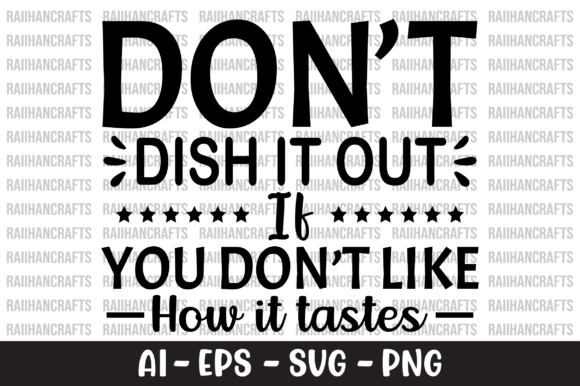
Don t Dish It out if You Don t Like SVG
When I scroll through digital design assets looking for that one piece to anchor a new collection, I am rarely impressed by generic clip art. As an embroidery designer who has spent years troubleshooting tension issues and refining stitch paths, my first instinct is skepticism. However, Don t Dish It out if You Don t Like SVG caught my eye not just for its witty phrase, but for its potential structural integrity in a real-world stitching environment. This article serves as a practical evaluation of this graphic, moving beyond the pixelated preview to assess how it will behave on fabric, how it will hold up to washing, and whether it truly belongs in your commercial inventory or personal craft box.
First Impressions and Visual Personality
The immediate mood of Don t Dish It out if You Don t Like SVG is bold, conversational, and slightly rebellious. It screams "statement piece." For designers, the challenge with text-heavy graphics is always legibility after digitization. Does the curve of the font maintain its rhythm? Do the serifs get lost in the satin stitches? From a visual standpoint, this design feels like it was built with clear negative space in mind, which is a green flag for embroidery. It suggests a layout that won’t feel cluttered when converted into thread.
This isn’t a subtle, minimalist aesthetic. It is designed to be seen. The personality here aligns perfectly with brands that value authenticity, humor, and direct communication. It fits naturally into the world of custom apparel and personalized gifts because it invites the wearer to express a specific attitude. When you look at the raw file, you can already imagine it centered on the chest of a heavyweight sweatshirt or stacked neatly on the front pocket of a denim jacket. The visual weight is balanced, suggesting that it won’t overwhelm the garment it adorns.
Real-World Application: Where This Design Shines
In my experience, the most successful embroidery projects are those where the design matches the medium. Don t Dish It out if You Don t Like SVG is versatile enough to span several categories, but it finds its sweet spot in casual wear and lifestyle accessories. Let’s look at a few scenarios where this design would perform exceptionally well.
Consider the trend of boutique tote bags. A canvas tote is a blank canvas for self-expression. Placing this design on a sturdy cotton canvas allows the colors to pop without the distortion that often happens on thinner fabrics. It transforms a simple bag into a conversation starter. Similarly, for small business owners selling at craft fairs, this design works beautifully on kitchen towels or aprons. The humorous tone resonates in home settings, making it an ideal gift item for housewarmings or holidays.
Another strong use case is baby items. There is a growing market for "attitude" gear for toddlers and their parents. Imagine this design embroidered on a onesie or a burp cloth. The contrast between the innocent nature of baby products and the sassy text creates a charming juxtaposition that buyers love. It also translates well to nursery decor, perhaps stitched onto a framed quilt square or a wooden sign backing, adding a touch of modern wit to a traditional craft.
For Etsy sellers and digital product creators, this design offers multiple revenue streams. It can be sold as a finished physical good, such as a cap or a patch, or licensed as part of a larger bundle of design assets. Its broad appeal means it has a higher likelihood of converting views into sales compared to niche-specific designs. It appeals to hobbyists who want to make a quick, impactful project and professional decorators looking for reliable stock designs.
Technical Considerations and Potential Pitfalls
While the concept is strong, no embroidery file is perfect until it has been tested. Here is where we must apply some critical judgment. Don t Dish It out if You Don t Like SVG contains text, which introduces specific technical challenges. Text requires precise digitizing to ensure that letters do not merge or become illegible. If the lettering is too thin, it may pucker or break during high-speed stitching. Therefore, checking the stitch density is non-negotiable.
Fabric choice plays a massive role in the final outcome. This design might struggle on highly textured fabrics like chunky wool or loose-weave burlap, where the needle path can become erratic. Stretchy knits, such as those used for athletic wear, require careful hooping and potentially a tear-away stabilizer to prevent distortion. If you plan to use this on dark fabric, you must carefully select your thread colors. A low-contrast combination could render the message unreadable, defeating the purpose of the design entirely.
Another area of caution is small hoop sizes. If you attempt to stitch this design in a tiny hoop, the details may become cramped. The spacing between characters needs room to breathe. If the design includes intricate decorative accents surrounding the text, ensure these elements are large enough to be distinguished individually. Tiny fill stitches can sometimes look like solid blobs from a distance, losing their intended shape.
Practical Designer Notes for Success
To ensure that Don t Dish It out if You Don t Like SVG delivers a professional result, follow these steps before committing to a final product:
- Test on Scrap Fabric: Always run a test stitch on the exact type of fabric you plan to use. This reveals how the material reacts to the stabilizer and how the threads interact with the weave.
- Check Thread Contrast: Compare your chosen thread colors against the fabric background. High contrast usually yields the best readability for text-based designs.
- Review Stitch Density: Look closely at the digitized file (if available) or the test stitch for areas of excessive density. Too many stitches in one area can cause puckering or even damage delicate fabrics.
- Inspect Small Details: Zoom in on any decorative elements or small lettering. Ensure they are distinct and not merging together.
- Use Proper Stabilizer: The right stabilizer is crucial for maintaining shape. Cut-away stabilizers are generally recommended for garments that will undergo frequent washing, while tear-away may suffice for temporary items like party favors.
- Confirm Licensing: Before selling finished items, verify the commercial use rights. Some digital files are for personal use only, and violating these terms can lead to serious legal issues.
Impact on Brand and Customer Trust
In the handmade and small business world, presentation is everything. A poorly executed embroidery job can undermine even the best product idea. Conversely, a clean, well-stitched design builds trust. When customers see that Don t Dish It out if You Don t Like SVG is stitched with precision—no loose threads, even tension, clear lettering—they perceive the brand as professional and reliable. This attention to detail encourages repeat purchases and positive reviews.
Furthermore, the emotional connection created by the design’s message enhances customer loyalty. People buy products that reflect their identity. By offering a design that is both visually appealing and emotionally resonant, you are providing more than just a stitched logo; you are providing a sense of belonging. This is particularly true for holiday gifts and special occasions, where the sentiment behind the design is as important as the craftsmanship.
Final Verdict
Don t Dish It out if You Don t Like SVG is a solid addition to any embroidery designer’s library. It balances wit with structural viability, making it suitable for a wide range of applications from custom apparel to home decor. While it requires careful attention to fabric choice and stitch quality, the payoff is a high-value product that stands out in a crowded marketplace. For crafters, Etsy sellers, and creative entrepreneurs, this design offers a reliable way to create engaging, sellable products that connect with customers on a personal level. Just remember to test thoroughly and respect licensing agreements, and you will find this design to be a valuable asset in your creative toolkit.